
AI process automation · any business, any industry
Business process automation with AI, for the repetitive work in any process.
We replace manual, repetitive work with AI systems that run in production: onboarding, approvals, documents, customer conversations, and reporting. First we learn how the work really runs, then we automate the parts where AI pays, and your team keeps the work that needs judgement.
Four steps, in this order
Understand
We sit with the people who do the work and watch how it actually runs, including the workarounds nobody wrote down.
Map
We list every repetitive task, rank it by time, frequency, and cost to automate, and show where AI pays and where it does not.
Build
We build the system with the clearest payback first, in weekly sprints, with checkpoints where a person approves or takes over.
Run
We deploy into your cloud, monitor quality and cost per process, and keep improving it. You own the code and the data.
Where most teams start
Any business has repetitive work. These three show up in almost every process we map, from small offices to corporate teams and government departments:
- Repeated customer enquiries: the same questions, bookings, and follow-ups by phone, WhatsApp, and chat.
- Document, onboarding, and approval handling: collecting files, checking them, chasing signatures, and moving cases on.
- Reporting and record keeping: compiling the same reports, re-typing notes, and searching old records.
What your team does instead
The judgement calls, the relationships, and the exceptions. Our systems handle the repetitive part and hand over to a person, with context, wherever a decision or an approval matters. Every system has clear checkpoints and an audit trail, so people stay in control.
AI where it pays
The goal is the simplest system that does the job at a sensible running cost. We use the right model for each task, cache and route requests, and measure what each automated process costs to run. We use multi-agent orchestration only where a process genuinely needs several agents working together. If AI is not the right answer for a task, we say so.
Work areas
Customer conversations
Calls, WhatsApp, and chat enquiries answered, booked, and handed off.
Back-office processes
Onboarding, approvals, documents, and payments, without the chasing.
Knowledge and decisions
Answers, reports, and records from your own documents, with sources.
Industry and field operations
Reporting, inspections, and records captured on the ground.
Content and marketing operations
Research, drafting, and production on a schedule, with approvals.
Multi-agent systems
Several AI agents on one process, only where the process needs it.
Case studies

Fintech · 7 Weeks
Automated Credit Onboarding Platform
Manual intake and document chasing removed: leads arrive consultation-ready.
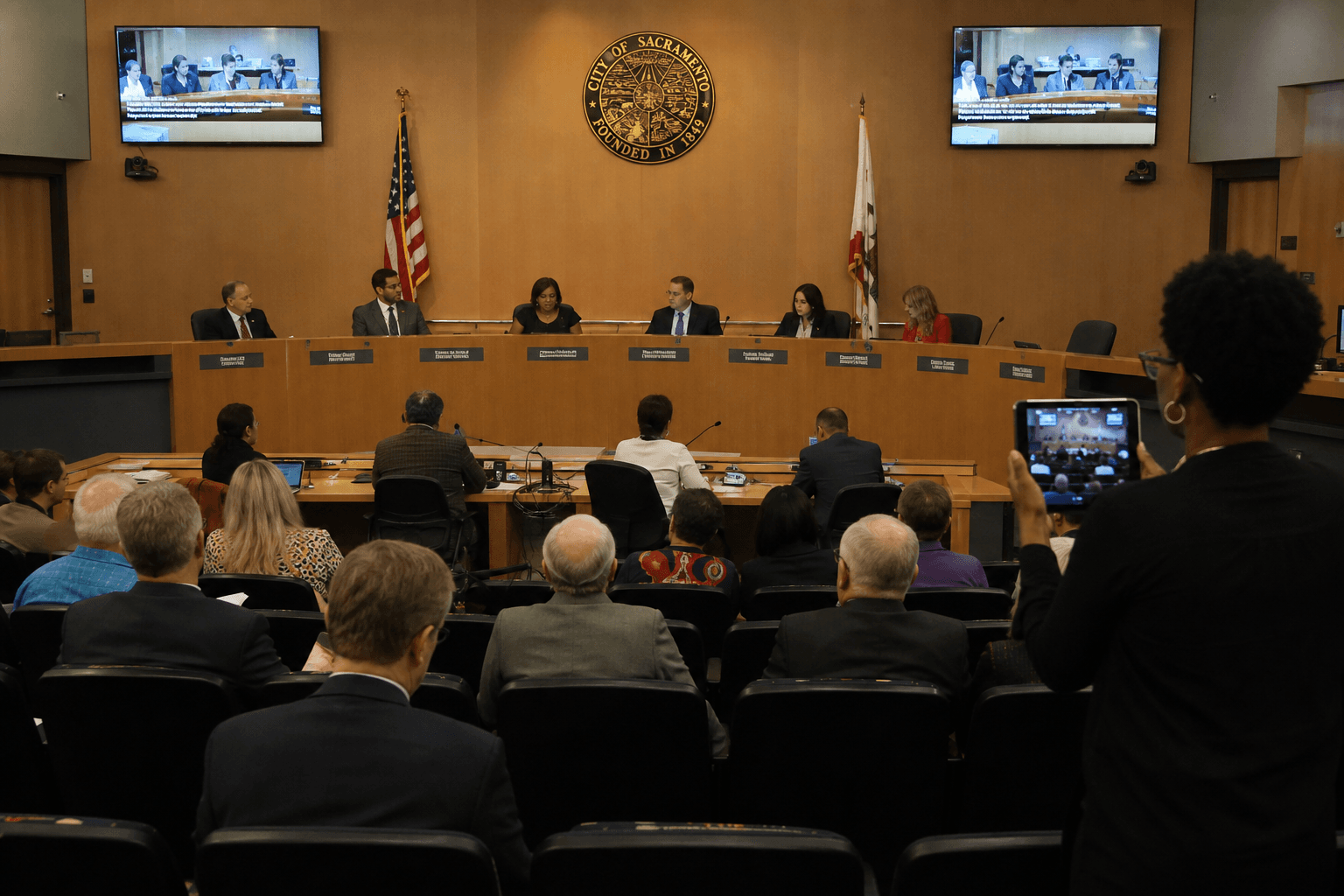
Government · 8 Weeks
Municipal Intelligence Platform
Manual review of meeting video removed: cited answers in seconds.

Operations · 6 Weeks
Operational Intelligence Platform
Paper reporting removed: floor teams report by voice, managers see analytics the same day.

Healthcare · 8 Weeks
Healthcare AI Orchestration
Manual front-desk call handling automated: 750+ calls a day in two languages.

Enterprise SaaS · 5 Weeks
White-Labeled CRM Platform
A CRM built around the client’s own workflows, owned outright, live in 5 weeks.

Marketing · 4 Weeks
AI Content Strategist Pipeline
Manual content research, scripting, and production removed, with a person approving each step.
Built from this work
Harnad Voice
AI phone agents on a live number. Answer inbound calls 24/7, book appointments, capture leads, and warm-transfer when needed.
Harnad Connect
Official WhatsApp Business automation: inbox, templates, auto-replies, contacts, and AI agents that run on your own model key (BYOK), from one secure dashboard.
Questions
What does an AI automation project start with?
With an AI automation audit. We sit with the people who do the work, map the process, and rank each repetitive task by time saved and cost to automate. You get a process map, a ranked list of opportunities, and a cost and savings estimate, and we agree in writing on the one worth building first.
How do you decide what is worth automating?
We start by sitting with the people who do the work and mapping the process. Then we rank each repetitive task by the time it takes, how often it happens, and what it costs to automate, and build the one with the clearest payback first. If AI is not the right answer for a task, we say so.
Can you automate paper-based or on-the-ground processes, not just software ones?
Yes. Many of the most repetitive tasks start on paper, in chat threads, or on a phone call. We have built voice reporting for field teams, where people speak a report and AI turns it into a structured record, and we can digitise forms, inspections, and records as part of the build. Where a step needs a person on site, the system supports them rather than replacing them.
Will AI replace my team?
No. We target the repetitive, time-consuming tasks that fill people’s days: copying data between systems, chasing documents, answering the same questions, compiling reports. Your team keeps the work that needs judgement, relationships, and exceptions, and every system we build has checkpoints where a person approves or takes over.
How much does AI automation cost, and how do you keep AI running costs low?
It depends on the process, so we quote a fixed scope after the audit rather than guessing up front. Most builds in our case studies took four to eight weeks. To keep running costs low we use the right model for each task, cache and route requests, and measure the cost per process, so you can see what each automated task costs to run.
Tell us where time goes today. We’ll show you what we’d automate first.